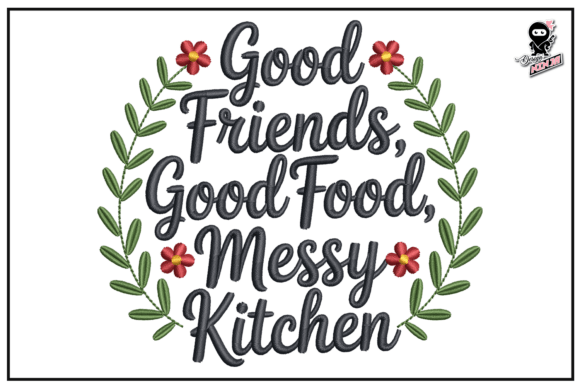
Good Friends, Good Food, Messy Kitchen
First Impressions: A Charming, Relatable Embroidery Design for Kitchen Lovers
As an embroidery designer preparing for a weekend craft fair, the Good Friends, Good Food, Messy Kitchen design immediately caught my eye. It’s a lighthearted, conversational piece that feels both rustic and modern—perfect for handmade products aimed at foodies, home cooks, and anyone who enjoys the chaos of a well-loved kitchen. The title alone is a conversation starter, and that’s exactly what craft fair sellers need to draw attention at a busy booth.
Perfect Fit for Kitchen-Themed Embroidery Products
This machine embroidery design works exceptionally well on a variety of kitchen-themed items. Here’s how I see it performing across different products:
- Tote bags: Great for carrying groceries or craft supplies, this design adds a playful, relatable message that shoppers will recognize instantly.
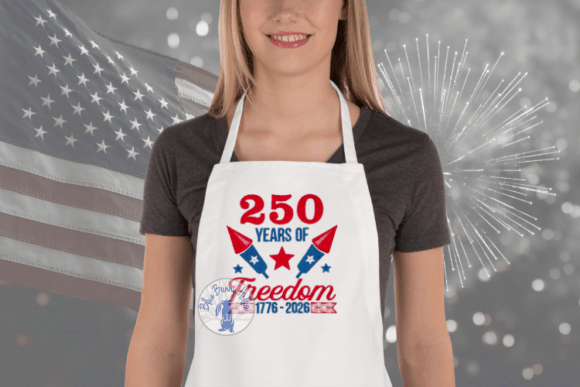
- Aprons: Whether it’s a chef apron or a cute waist apron, this embroidery brings personality and charm—ideal for boutique sellers or Etsy shops.
- Tea towels: The design’s warmth makes it a standout on cotton or linen towels, especially when paired with coordinating thread colors.
- Embroidered patches: A smaller version could be used on denim jackets, lunch bags, or even as a sew-on label for handmade aprons.
- Pillow covers: When enlarged slightly, the design becomes a statement piece for farmhouse or cottage-style home decor.
What Makes Good Friends, Good Food, Messy Kitchen Stand Out?
This embroidery file has a few key selling points that make it booth-ready:
- Instant Recognition: The message is clear, friendly, and easy to understand from a distance—important for attracting foot traffic.
- Emotional Appeal: It taps into the joy of shared meals and messy kitchens, a universal theme that resonates with many buyers.
- Versatility: Works as both a focal point or a subtle accent, depending on how you size and place it on your product.
- Photogenic: With the right thread contrast and fabric choice, this design photographs beautifully for Etsy listings or social media.
Production Considerations: Stitch Density and Fabric Choices
Before jumping into batch production, it’s important to test the Good Friends, Good Food, Messy Kitchen design on different materials. Here are some practical notes for embroidery business owners:
- Dense stitch areas: Watch for areas with heavy fill stitches—these may pucker on lightweight fabrics or show through on dark towels.
- Thread contrast: Choose thread colors that stand out against your base fabric. Light thread on dark fabric can make the design pop.
- Fabric texture: Textured towels or thick denim aprons may require additional stabilizer to ensure clean stitching.
- Curved surfaces: If embroidering on caps or curved pouches, make sure the hoop size and design placement allow for even stitch coverage.
- Small lettering: If the design includes small text, test it at reduced sizes to avoid loss of clarity.
Design Usability Across Craft Fair and Digital Products
Whether you're selling physical handmade items or digital embroidery files, this design has strong potential:
- Printable mockups: Use it in digital product listings to showcase how it looks on tote bags, aprons, and tea towels.
- Commercial embroidery: Ideal for small shop owners who want to add a consistent, branded design across their product line.
- Booth samples: Display embroidered samples on a themed kitchen display—think apron + towel + tote for a coordinated look.
- Repeatable production: Once tested, this design can be stitched out quickly and consistently, making it great for batch-making.
Enhancing Visual Appeal and Customer Engagement
One of the biggest strengths of the Good Friends, Good Food, Messy Kitchen design is its ability to connect emotionally. It invites conversation and makes customers feel seen—especially those who love hosting, cooking, or crafting with others. As a booth display element, it adds warmth and personality, helping your handmade products feel more relatable and authentic.
When placed thoughtfully on a tote bag or apron, it can elevate the perceived value of your product. Pair it with coordinating colors or complementary embroidery files to build a cohesive kitchen-themed collection that shoppers can mix and match.
Designer Notes: Test Before You Sell
Before selling any finished product featuring this embroidery file, always:
- Test on scrap fabric: Ensure the design stitches cleanly and looks as intended.
- Check thread contrast: Especially important for online listings where photos must capture attention quickly.
- Review spacing and lettering: Make sure small text remains legible after stitching.
- Confirm hoop size: Match your machine’s capabilities to avoid distortion or trimming issues.
- Inspect stitch density: Avoid puckering by adjusting tension or stabilizer as needed.
- Use the right stabilizer: Especially important for textured or stretchy fabrics.
- Create a real mockup: Don’t rely solely on digital previews—see how it looks in person.
- Compare fabric colors: Test on both light and dark backgrounds to see which brings out the best in the design.
- Confirm commercial licensing: If selling finished products, ensure the design is licensed for commercial use.
Final Thoughts: A Worthy Addition to Your Embroidery Product Line
The Good Friends, Good Food, Messy Kitchen design is a smart choice for craft fair sellers, Etsy shop owners, and boutique makers who want to offer a product with emotional resonance and visual charm. Its kitchen theme is timeless, its message is relatable, and its versatility makes it a workhorse for multiple product types.
With a little testing and thoughtful presentation, this embroidery file can become a staple in your lineup—bringing warmth, personality, and strong sales to your booth or online shop.