Butterfly Face Line Art: A Designer’s Real-World Embroidery Review
First Impressions: Abstract Elegance Meets Botanical Whimsy
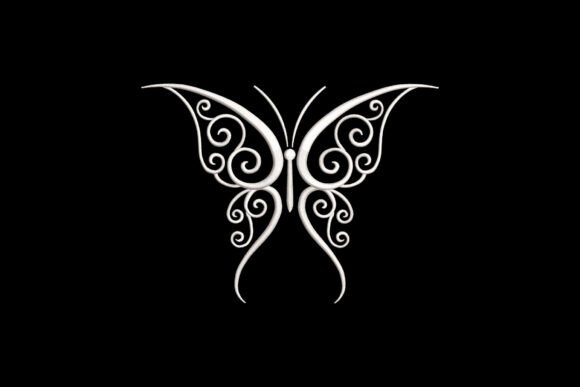
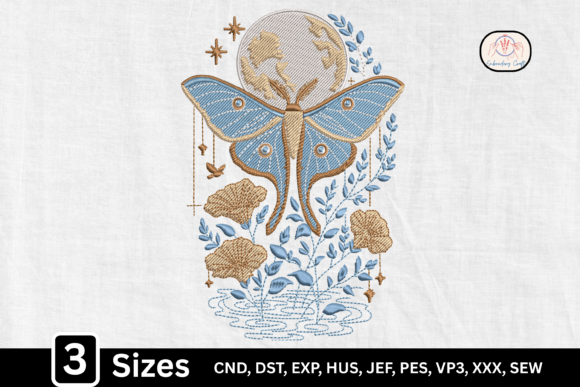
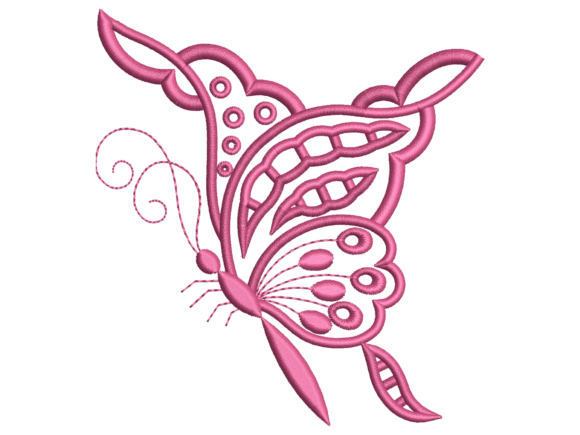
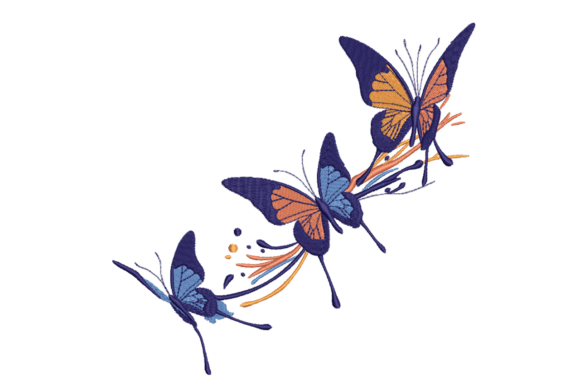
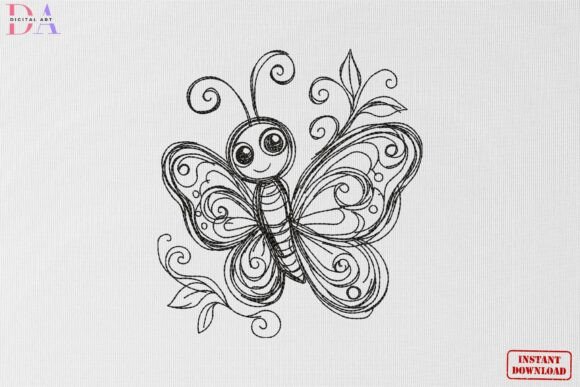
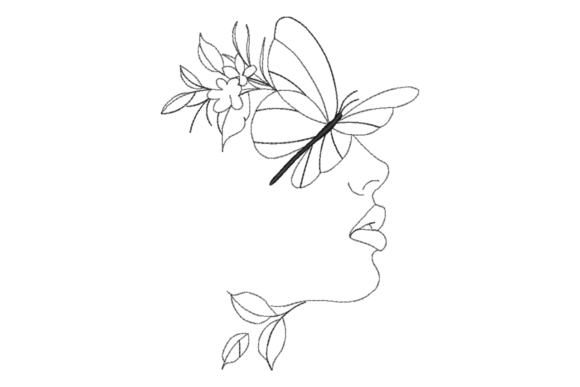
Opening the Butterfly Face Line Art embroidery file, I was struck by the balance of organic flow and clean linework. It's a design that walks the line between botanical illustration and abstract fantasy—perfect for crafters and small shop owners looking to add a touch of nature with a twist. The butterfly’s face is stylized, not literal, which gives it a dreamy, artistic edge. It feels like a piece that could work across a range of products, from nursery decor to boutique apparel.
What stands out immediately is the minimalist aesthetic. There's no heavy fill stitch or dense satin work here—just continuous flowing lines. That makes it feel modern and approachable, especially for designers who want to avoid overly busy embroidery that might overwhelm delicate fabrics.
Real-World Use: From Sweatshirts to Nursery Decor
I tested the design on a custom embroidered tote bag and a lightweight sweatshirt, two common items for Etsy sellers and small craft businesses. On the tote, the line art translated beautifully—clean, crisp, and subtle. It added a personal touch without shouting for attention, which is ideal for minimalist branding or handmade gifts.
On the sweatshirt, I placed the design just below the collar on the back. The result was soft and elegant, with enough visual interest to draw the eye without looking cluttered. The lack of dense stitching helped it drape well with the fabric, which is a win for wearable items.
For baby clothes or nursery items, this design could be a standout. It reads as gentle and whimsical, which fits the softness of those products. I could easily imagine it stitched onto a baby blanket or a onesie—especially in a muted thread color like sage or soft gray.
Where to Use Butterfly Face Line Art with Care
While the design is elegant, it does require thoughtful application. On small hoop sizes, some of the finer line details may get lost. If you're working with a 3x3 hoop or smaller, test the design on scrap fabric first to ensure clarity.
Textured or stretchy fabrics can distort the clean lines. I noticed a slight waviness when testing on a thin jersey knit—nothing catastrophic, but enough to affect the crispness of the design. Using the right stabilizer is key here, especially if you're embroidering on a curved surface like a baseball cap.
Dark fabrics also pose a challenge. The line art is best showcased with high thread color contrast. If you're using it on black or navy garments, opt for a light-colored thread like white or pale yellow to maintain visibility.
Visual Appeal and Customer Perception
From a design standpoint, Butterfly Face Line Art elevates the perceived value of a finished product. Its abstract nature gives it a handmade, artisanal feel that resonates with customers looking for something unique—not mass-produced. This is especially important for Etsy sellers and boutique brands trying to differentiate their offerings.
It also reads well in digital mockups. I tested it in both light and dark fabric mockups for product listings and found it held up beautifully. The clean lines make it easy to visualize across different colorways, which is a big plus for online sellers who rely on digital previews.
For gift items, especially personalized ones, this design adds a touch of personality without being too bold. It's the kind of embroidery that says, “This was made with care,” rather than “Look at this design!” That subtlety builds customer trust and repeat purchases.
Practical Notes for Embroidery Designers
Before stitching this into a client project or listing it in your digital shop, here are a few things I’d recommend:
- Test on scrap fabric—especially if you’re working with stretchy or textured materials.
- Check thread color contrast—don’t assume the default colors will work on every background.
- Review stitch density—make sure the lines aren’t too sparse or too tight for your fabric type.
- Confirm hoop size compatibility—this design may not scale well for very small hoops.
- Inspect small details—some of the thinner lines may close in or blur on smaller sizes.
- Test in black and white mockups—this helps visualize how it will look on different fabric tones.
- Use proper stabilizer—especially on curved or stretchy surfaces.
- Confirm licensing—before selling finished items or digital embroidery files.
Best Use Cases and Design Pairing Ideas
This design shines when paired with other minimalist elements. I stitched it next to a simple monogram on a linen kitchen towel, and the combination felt elevated and intentional. It also works well as a standalone accent on the corner of a pillow cover or the hem of a dress.
For seasonal or holiday items, I’d recommend pairing it with a short embroidered phrase or date—like “Spring 2025” or “Easter Memories.” It gives the piece a personal touch without competing for attention.
Commercial embroidery shops could use this in a curated collection of nature-themed designs for boutique branding or personalized gifts. It’s versatile enough to be used across multiple product types, which is a big plus for creative entrepreneurs managing a digital product shop.
Final Thoughts: A Thoughtful Addition to Any Embroidery Library
Overall, the Butterfly Face Line Art is a well-balanced embroidery design that offers both visual appeal and practical flexibility. It’s a great option for designers who want to add a touch of nature with a modern twist. Whether you're creating custom apparel, personalized baby items, or digital embroidery files for your Etsy shop, this design has the potential to enhance your product line with a quiet elegance.
It’s not a flashy design, and that’s what makes it special. It’s the kind of embroidery that feels intentional—like it was made for the project, not just stitched onto it. And for small business owners and crafters, that kind of thoughtful detail is what builds a loyal customer base.